

Vegan Moisturiser
Ratings from publicly available information. Editor’s pick = our recommendation where no independent rating is available. Always check the shop directly for the latest information.
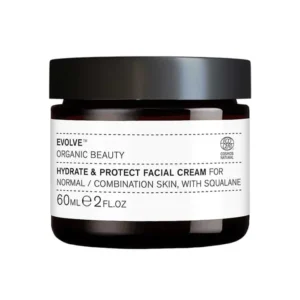
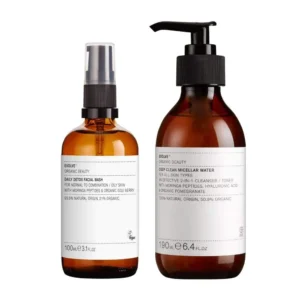
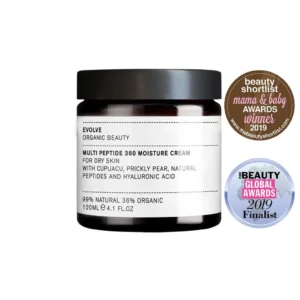
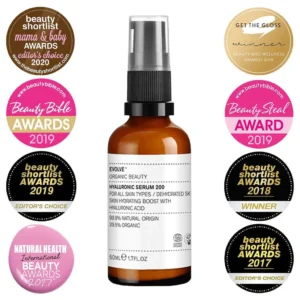
You Might Also Like
Vegan Moisturiser Essentials: Choosing the Best Plant-Based Skincare
Amidst the growing interest in cruelty-free and plant-based products, vegan moisturisers have soared in popularity, offering a conscientious option for skincare users.
Unlike traditional moisturisers, vegan formulations exclude any animal-derived ingredients, like lanolin from sheep's wool, instead utilising alternatives such as luxurious shea butter and plant oils.
These moisturisers cater to a diverse market looking to align their skincare routines with ethical values, all without compromising on the efficacy and luxury of their daily regimen.
It's important to understand that vegan skincare isn't just about the exclusion of animal ingredients; it also embodies a broader commitment to zero animal testing, ethical sourcing and environmental responsibility.
Consumers are increasingly seeking out brands that not only provide vegan options but are dedicated to sustainable practices, such as using recyclable packaging or supporting fair trade ingredient sourcing.
Vegan moisturisers often include antioxidants, vitamins, and natural botanicals that hydrate and nourish the skin, which can be beneficial for all skin types including sensitive, oily, or mature skin.
When choosing a vegan moisturiser, it's crucial to consider your specific skincare needs.
For example, you might need additional SPF protection or age-defying ingredients like retinol alternatives.
A well-formulated vegan moisturiser can offer a hydrating experience that caters to your skin's unique requirements and concerns, contributing positively to your overall skin health.
Key Takeaways
- Vegan moisturisers provide ethical and plant-based hydration for all skin types.
- No animal testing, ethical sourcing and sustainability are central to the philosophy of vegan skincare.
- Specific skin needs, such as sun protection and anti-ageing, can be addressed by vegan formulations.
Understanding Vegan Skincare
Vegan skincare is synonymous with formulations that are free from animal-derived ingredients, and it often intersects with cruelty-free practices, focusing on conscious consumption and ethical production.
Defining Vegan Products
Vegan skincare products are those which do not contain ingredients sourced from animals. They can range from cleansers and moisturisers to serums and masks.
Crucially, for a product to be vegan, it must exclude all components derived from animals, such as honey, beeswax, and lanolin.
Animal-Derived Ingredients to Avoid
When delving into vegan skincare, it's essential to be aware of common animal-derived ingredients:
- Honey and beeswax: Often found in balm and lotion formulations for their moisturising properties.
- Lanolin: A waxy substance derived from sheep's wool and used for its skin-softening benefits.
- Collagen: Sourced from animals' connective tissues, and utilised for its 'supposed' anti-ageing effects.
Switching to plant-based alternatives, such as shea butter for moisturising or bakuchiol for anti-ageing, is central to adhering to vegan skincare.
Benefits of Vegan Skincare
The advantages of adopting a vegan skincare routine include reducing the likelihood of skin irritation due to allergens commonly found in animal-derived ingredients.
Moreover, vegan products tackle all skin concerns with high efficacy.
Additionally, by choosing vegan options, consumers are supporting cruelty-free products and thereby advocating for the ethical treatment of animals.
Vegan skincare's commitment to natural and often organic ingredients signifies not only care for one's skin but also for the welfare of animals and the environment.
The Importance of Skin Hydration
Hydrating the skin is vital because it maintains the integrity of the skin's barrier function and overall health. It’s not simply about moisture—it’s about keeping the skin functioning properly and looking its best.
Role of Hyaluronic Acid
Hyaluronic acid is a powerhouse in the world of skin hydration.
Its capacity to retain up to 1000 times its weight in water positions it as a superior ingredient for attracting and holding moisture.
In vegan face creams, hyaluronic acid sourced from non-animal derivatives offers intensive hydration, helping to keep skin plump and minimising the appearance of fine lines.
Glycerin and Its Benefits
Vegetable glycerin is another hero ingredient for skin hydration.
A humectant, glycerin draws water into the skin from the surrounding air.
It's particularly effective in vegan formulations, supporting the skin's natural barrier and preventing moisture loss.
The use of glycerin in moisturisers ensures skin is not only hydrated but gets softer over time.
Nourishing with Natural Oils
Natural oils such as plant-derived squalene, which can be derived from sugarcane, serve as emollients that seal in moisture while restoring skin's suppleness.
These oils are similar in composition to the skin’s natural lipids and can therefore integrate seamlessly into the skin’s protective layer.
When included in vegan face creams, they provide long-lasting hydration without the greasy residue, making them suitable for various skin types.
Skin Type Specific Moisturisers
When selecting a vegan moisturiser, it's important to consider formulations that are tailored to specific skin types, such as dry, oily, sensitive, and combination skin.
Each formulation addresses unique needs, helping to reduce irritation and redness while promoting healthy skin.
Formulations for Dry Skin
Individuals with dry skin typically benefit from rich, hydrating moisturisers.
These products often contain ingredients like hyaluronic acid and glycerin, which provide intense moisture and help to lock it in.
For instance, shea butter and vegetable glycerin are excellent vegan alternatives to traditional animal-derived moisturising agents like lanolin.
Solutions for Oily and Acne-Prone Skin
For those managing oily and acne-prone skin, lightweight, non-comedogenic moisturisers are essential.
They should contain ingredients that regulate sebum production without clogging pores.
Salicylic acid and tea tree oil are common elements found in these formulations, aiding in the reduction of acne and irritation.
Sensitive Skin Considerations
Moisturisers designed for sensitive skin frequently avoid potential irritants like fragrances and synthetic dyes.
Instead, they focus on calming ingredients like aloe vera and chamomile to reduce redness.
The use of hypoallergenic and non-irritating substances is crucial to prevent adverse reactions.
Combination Skin Needs
Those with combination skin cope with both dry and oily patches and require a balanced moisturiser that hydrates while not exacerbating oiliness.
A gel-based moisturiser may provide the necessary moisture without leaving a heavy residue. Key ingredients might include green tea extract to soothe the skin while balancing moisture levels.
Moisturisers with Sun Protection
Incorporating sun protection factor (SPF) into vegan moisturisers offers a dual benefit: hydration and defence against UV rays.
It's essential for maintaining healthy skin in various climates.
Benefits of SPF Inclusion
SPF Helps Prevent Sun Damage: Daily use of moisturisers with SPF can protect one's skin from the harmful effects of UV radiation.
Such radiation is a primary cause of premature ageing, including wrinkles and fine lines.
Vegan moisturisers with added SPF provide a shield to maintain the skin's integrity and youthful appearance.
Suitable for Sensitive Skin: Vegan formulations often cater to those with sensitive skin by excluding animal-derived ingredients and potential allergens.
When these are combined with sun protection, they can minimise irritation while also preventing sunburn.
This can be particularly beneficial for users with sensitive skin types.
Similarly, there are powerful vegan formulas aimed at teenagers and those with oily skin, working to prevent unwanted blemishes while providing essential sun cover.
Age-Defying Ingredients in Vegan Moisturiser
Selecting a vegan moisturiser rich in age-defying ingredients is essential for targeting fine lines and wrinkles while respecting ethical and plant-based formulations.
The following subsections explore potent ingredients in vegan skincare that help maintain youthful skin.
Retinol and Its Alternatives
Retinol, a derivative of vitamin A, is renowned for its ability to diminish the appearance of fine lines and improve skin texture.
However, as it is not always suitable for sensitive skin, plant-based alternatives like bakuchiol provide a gentler option.
Bakuchiol offers similar benefits to retinol, improving collagen production and the skin's elasticity without the associated irritation.
The Role of Peptides and Proteins
Peptides and proteins are the building blocks of skin and crucial in maintaining a firm and youthful appearance.
Vegan collagen, a new innovation created by fermentation processes, mimics the amino acid structure of traditional collagen.
This helps to improve skin firmness and reduce the look of wrinkles.
Antioxidants for Skin Repair
Antioxidants play a vital role in protecting the skin from oxidative stress caused by environmental aggressors such as pollution and UV radiation.
Ingredients such as vitamin C and E are powerful antioxidants that are commonly found in vegan moisturisers.
They aid in skin repair and can help prevent premature skin ageing, keeping the skin looking radiant and youthful.
Texture and Application
Selecting the right vegan moisturiser involves considering the texture and how it applies to the skin.
Factors such as absorption rate and finish can greatly influence user experience and satisfaction.
Cream vs Gel Moisturisers
Vegan moisturising creams tend to provide a rich, nourishing experience and are particularly suitable for dry skin types.
They typically have a thicker consistency that works to lock in moisture for extended periods.
On the other hand, gel moisturisers are appreciated for their lightweight texture and fast absorption.
These are often a go-to choice for individuals with oily or combination skin as they deliver hydration without a heavy feel.
Non-Greasy Formulas
Non-greasy moisturisers have gained popularity for leaving a matte finish on the skin.
They usually contain ingredients such as vegan hyaluronic acid or vegan squalene that moisturise effectively without the residual oily sheen.
Some formulations are adept at maintaining hydration levels while ensuring a smooth application that doesn't clog pores or cause shine.
Moisturisers Under Makeup
A suitable vegan moisturiser should serve as an ideal base for makeup.
It should ensure a smooth canvas without causing the makeup to slide off.
Moisturisers with a gel-cream consistency often strike the right balance, offering adequate hydration while allowing makeup to adhere correctly.
A user’s preference for having their skin feeling breathable and their makeup looking pristine all day can be fulfilled with the right product choice.
Additional Skin Concerns and Ingredients
Selecting a vegan moisturiser can address specific skin concerns beyond hydration. The following ingredients are not only cruelty-free but also effective for improving various skin conditions.
Tackling Pigmentation and Dark Spots
Niacinamide, also known as vitamin B3, is known for its prowess in reducing pigmentation and dark spots.
- Vitamin E is a potent antioxidant. Its use in moisturisers helps to fade dark spots and protect against damage caused by UV radiation and environmental aggressors.
Soothing Ingredients for Redness
For those dealing with redness, aloe vera is a gift from nature. It soothes and calms irritated skin, significantly reducing redness and providing immediate comfort.
- Rich in anti-inflammatory properties, green tea extract helps to soothe redness and swelling. It's an excellent addition to a moisturiser for skin prone to irritation.
Enhancing Radiance for Dull Skin
To revive a radiant complexion from dull skin tones, look for moisturisers that include vitamin E and niacinamide.
- Vitamin E improves the skin’s texture and elasticity, giving the skin a luminous glow.
- Niacinamide enhances skin's natural brightness while also helping to improve overall skin texture.
Ethical and Sustainable Choices
When selecting vegan moisturisers, ethical and sustainable choices are not just about the ingredients but also how those ingredients are sourced and the product’s impact on the environment. These aspects contribute to a more responsible skincare routine.
Organic and Natural Moisturisers
Organic and natural moisturisers provide a wholesome approach to skin care, emphasising the absence of synthetic chemicals and the presence of plant-based components.
They utilise ingredients that are grown without the use of pesticides, which is better for both the skin and the environment.
- Ingredients to look for:
- Shea butter: A natural plant-based emollient high in vitamins and fatty acids.
- Jojoba oil: Mimics the skin's natural oils for effective moisturisation without clogging pores.
Utilising ethical sourcing methods, these moisturisers ensure that the production process respects both the environment and the rights of workers involved.
Eco-Friendly Packaging
Packaging plays a pivotal role in the environmental footprint of a skincare product.
Eco-friendly packaging means materials that are either recyclable, biodegradable, or made from previously recycled materials.
Such approaches aim to reduce waste and pollution.
Types of Sustainable Packaging:
- Glass jars: Easily recyclable and can be reused or repurposed.
- Recycled paper: Often used in secondary packaging; can be processed again after use.
Recommendations and Brands
When exploring vegan moisturisers, discerning shoppers have a rich selection to consider across various price points and specifications.
They range from high-end formulations with advanced ingredients to more wallet-friendly variants that still offer quality skincare.
Premium Vegan Moisturisers
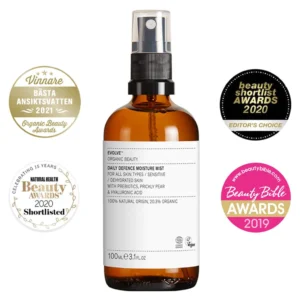
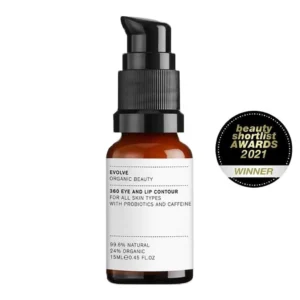
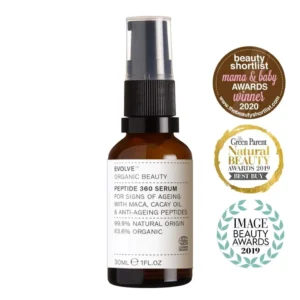
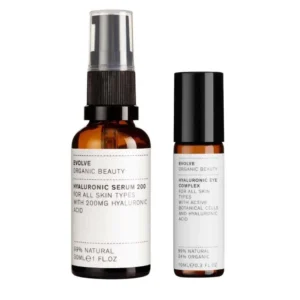
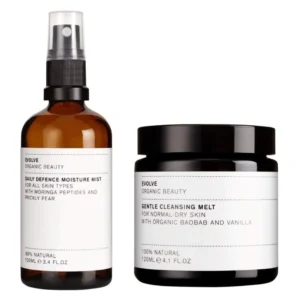
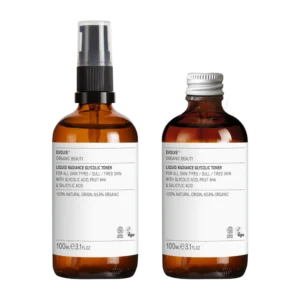
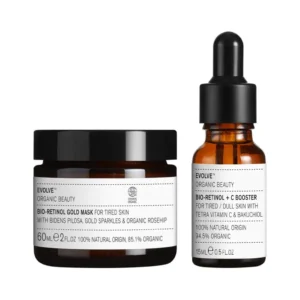
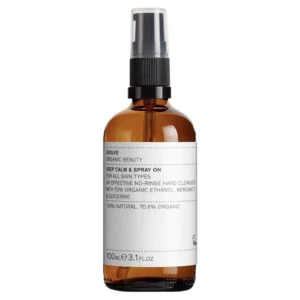
Evolve Beauty is a renowned name in the luxury skincare market, with a range of products acclaimed for their skin-softening properties.
Specialist Skincare Brands
For those with particular skincare needs, specialist brands such as Evolve Beauty offer targeted solutions.
Their range caters expressly to sensitive and allergy-prone skin types, ensuring that even the most fragile skin can enjoy hydrating, vegan-friendly products.
Frequently Asked Questions
In this section, readers can find answers to common queries regarding vegan moisturisers, ensuring informed choices can be made for various skin types and concerns.
Selling in China
Many consumers are concerned about animal testing policies related to vegan products.
It is important to note that while some vegan brands do sell in China, where animal testing used to be a requirement, regulations have allegedly relaxed in recent years.
None of the products we recommend are sold in China.
To maintain vegan standards, one should look for brands that have certifications stating they do not test on animals, even when sold in markets with differing animal testing laws.
What are the top-rated vegan moisturisers for oily skin?
When it comes to oily skin, lightweight and non-comedogenic moisturisers are key.
How can one identify a vegan moisturiser suitable for the UK climate?
A vegan moisturiser for the UK climate should be able to address the effects of wind and rain, as well as provide protection against central heating which can dry out the skin.
Which vegan moisturisers are highly recommended for dry skin?
For dry skin, vegan moisturisers with rich, emollient ingredients such as shea butter, vegan squalene, and ceramides are often recommended.
Can you suggest vegan moisturisers that come with an SPF?
Protecting the skin from the sun is important year-round.
Vegan moisturisers with SPF, such as Evolve Beauty Day Cream, offer protection against UV rays. They also use ingredients not derived from animals and without animal testing.
What are the preferred vegan moisturising options for sensitive skin?
Sensitive skin benefits from vegan moisturisers that are free from irritants such as synthetic fragrances, alcohol, and artificial colourants.
Are there any homemade moisturiser recipes that align with vegan standards?
Homemade vegan moisturiser recipes usually include natural plant-based oils, such as coconut or almond oil. They may also incorporate aloe vera, vegetable glycerine, or cocoa butter.
An example could be a simple blend of shea butter and almond oil. This blend provides moisture and nourishment without any animal-derived ingredients.