Where Can I Buy Vegan Activewear in the UK?

If you’re searching for vegan activewear in the UK, most people don’t start with specialist vegan labels. They usually begin with mainstream sportswear retailers, online marketplaces, or high-street shops — then check whether individual items meet vegan and cruelty-free standards. This page explains where UK shoppers typically look, and what to check before buying, so you don’t waste time or make avoidable mistakes.
Where people in the UK usually buy vegan activewear
In the UK, vegan activewear is most commonly purchased through large online sportswear retailers, general fashion marketplaces, and brand-owned websites. High-street shops also stock suitable items, but vegan status is rarely signposted in-store, which means buyers often rely on online product information first.
Vegan Supermarket UK is the place to start for all your vegan and cruelty-free shopping. It helps narrow the search before you click through to a retailer, reducing the risk of accidentally buying non-vegan items.
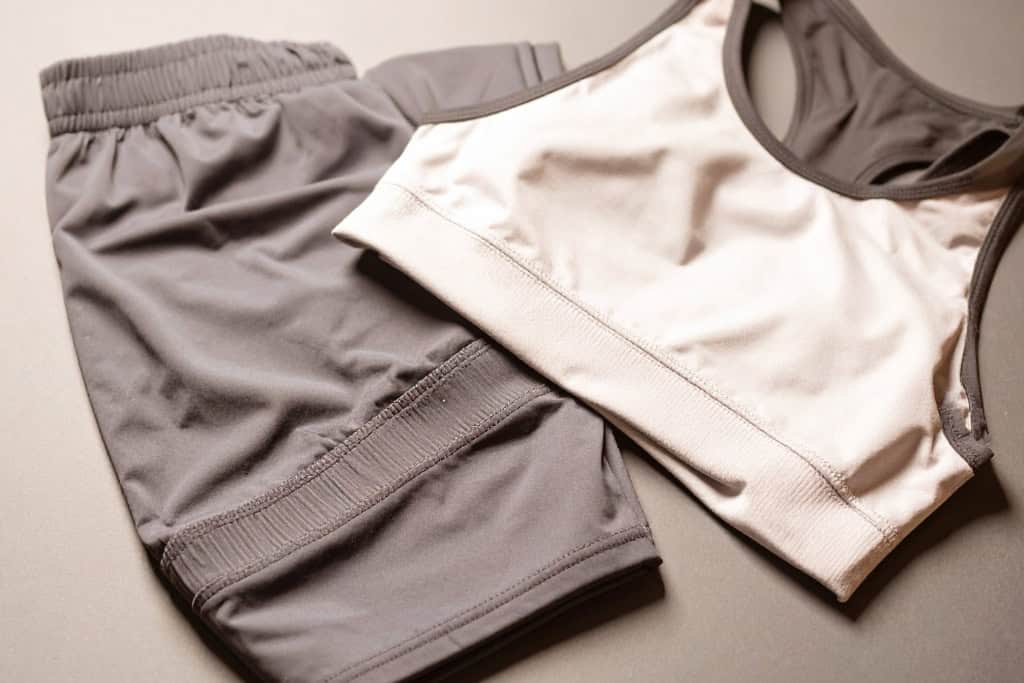
Online vs high-street shopping
Online shopping is where most UK buyers find vegan activewear, mainly because product descriptions and materials lists are easier to check. Retailers often provide fabric composition, care instructions, and sustainability notes online, which are essential when confirming vegan status.
High-street shopping can work, but it usually requires more manual checking. Labels may list materials, but staff may not know whether glues, finishes, or treatments used in production are animal-derived. Returns can also be more inconvenient if you discover later that an item isn’t suitable.
What to check before buying vegan activewear
Not all activewear is vegan by default. Even when an item looks suitable, there are a few common areas that cause confusion.
Material composition is the first check. Most vegan activewear uses synthetic or plant-based fibres such as polyester, nylon, elastane, or recycled materials. However, some items include wool blends, silk trims, or leather branding patches, which would make them non-vegan.
Manufacturing details can also matter. Some performance clothing uses animal-derived glues, dyes, or finishing agents, even when the fabric itself appears synthetic. This information isn’t always obvious, which is why checking product FAQs or brand statements is often necessary.
Brand-level assumptions are another common mistake. A brand may sell vegan activewear alongside non-vegan items. Vegan status is usually product-specific, not brand-wide.
Common mistakes buyers make
One frequent mistake is assuming that “sustainable” or “eco-friendly” automatically means vegan. These terms often relate to environmental impact, not animal-derived inputs.
Another issue is relying on older information. Materials and suppliers change, so a product that was vegan last year may not be identical in a newer release.
Finally, some buyers focus only on the main fabric and overlook small components such as logos, trims, or coatings, which can still contain animal-derived materials.
Availability and stock variation
Vegan activewear availability in the UK can vary by size, colour, and season. Some items sell out quickly during peak fitness periods, and restocks may come with updated materials or designs. Checking current product pages rather than relying on third-party summaries helps avoid outdated information.