
Vegan Shops UK: Where to Look and How to Find What You Actually Need

It’s Not as Simple as It Should Be
Finding a decent vegan shop sounds like it ought to be straightforward these days. In practice, it depends heavily on where you live, what you’re looking for, and whether you’re happy shopping online or need something today.
In most towns, vegan-specific shops are still few and far between. What you’re more likely to find is a mix of health food shops, mainstream retailers with vegan sections, and a growing number of online options that make location largely irrelevant.
That’s why more and more people are heading to Vegan Supermarket UK — it connects you to products across over 30 retailers in one place, so you’re not piecing it together shop by shop.
How People Approach This
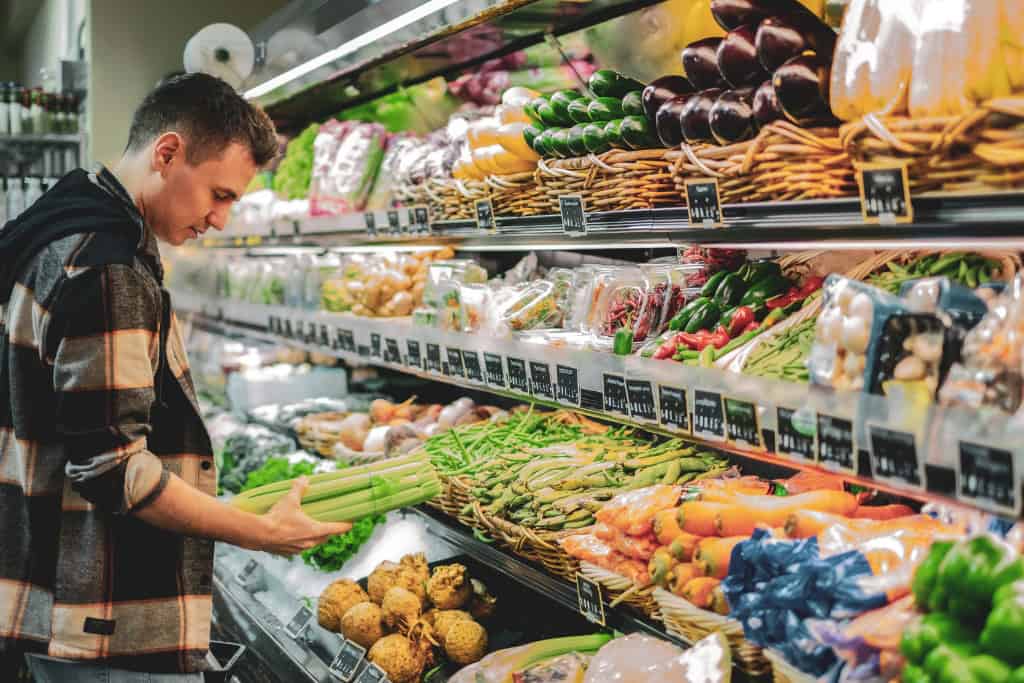
Most people start with whatever is closest — a supermarket, a health food shop, or a quick search online. For everyday basics like oat milk or vegan spread, that usually works. For anything more specific, it gets harder.
The pattern most people settle into is a mix: local shops for convenience, online for range. The difficulty is knowing which online retailers are worth using for which categories, and that takes time to suss out.
What influences decisions most is a combination of convenience, labelling clarity, and price. Specialist vegan shops tend to score well on the first two but sometimes less so on the third.
How to Narrow Your Options
Start by thinking about what you need and how often you need it. For regular purchases, you want a reliable source with consistent stock. For one-off or specialist purchases, range matters more than convenience.
If you’re in a city, it’s worth searching for independent vegan shops nearby — they often stock things the big retailers don’t, and staff tend to know the products properly. Outside cities, online is usually the more practical option for anything beyond basics.
Budget is worth factoring in too. Specialist shops sometimes carry premium pricing, particularly on personal care and clothing. Own-brand options from larger online retailers often offer better value without sacrificing vegan credentials.
Where People Actually Buy
Health food shops are the most consistent physical option across the UK. They’re not exclusively vegan, but they typically stock a well-curated range of vegan food, supplements, and personal care, and staff are usually very helpful.
Mainstream supermarkets have improved significantly — most now have dedicated free-from or plant-based sections, and own-brand vegan ranges have expanded across food and household categories. For online shopping, dedicated vegan retailers tend to offer the clearest labelling and the broadest range across multiple categories.
Marketplaces like Amazon carry vegan products but require more careful checking. Without a specialist focus, listings vary in accuracy and you end up doing more of the filtering yourself.
What to Check Before Buying
Whether you’re shopping in-store or online, always look for explicit vegan labelling rather than assuming. “Natural,” “plant-based,” or “free from” don’t automatically mean vegan. Look for “suitable for vegans,” “vegan certified,” or the Vegan Society trademark.
If cruelty-free matters to you — and for many people it does — check that separately. A product can be vegan and still have been tested on animals. The two standards are different and you need to look for both.
For food, pay attention to the full ingredient list rather than the front of pack. For personal care, check the brand’s testing policy in addition to the ingredient list.
Common Mistakes
Assuming a health food shop has vetted everything on its shelves is an easy mistake. Health food shops stock a wide range of products, including many that contain honey, lanolin, beeswax, or other animal derivatives. Always check individual items.
Relying on where a product is placed in a shop — a “free from” aisle, a “natural beauty” section — tells you very little about vegan status. Placement is a retail decision, not a guarantee.
Skipping the ingredient list because a brand looks ethical is another trap. Packaging design and vegan credentials are not the same thing. The label is the only reliable guide.
What the Labels Actually Mean
Vegan: A product labelled vegan contains no animal-derived ingredients. The word “vegan” is a trademark owned by The Vegan Society, though many brands use phrases such as “vegan friendly” or “suitable for vegans.” In practice these mean the same thing.
Vegan and vegetarian symbols: Packaging sometimes uses symbols such as V, VE, or Vegan. These are not always consistent — in some cases “Ve” may indicate vegetarian rather than vegan. Vegetarian products may still contain milk, eggs, or honey. Always check that the product clearly states vegan rather than vegetarian.
“May contain” allergy statements: Some vegan products carry warnings such as “may contain milk” or “may contain egg” due to shared manufacturing environments. This refers to cross-contamination risk, not intentional ingredients.
Cruelty-free: Cruelty-free means the finished product and its ingredients were not tested on animals. Look for Leaping Bunny or PETA Cruelty-Free logos. The absence of a logo does not automatically mean a product fails.
China and animal testing: Products sold in mainland China have historically been subject to animal testing requirements. Many organisations consider such products unlikely to meet cruelty-free standards as a result.
Marketing claims to watch out for: “Natural,” “eco-friendly,” “high welfare,” or “RSPCA Assured” do not guarantee vegan or cruelty-free status. If a product is not clearly labelled both, treat it as uncertain.
Frequently Asked Questions
Are there dedicated vegan shops on the UK high street?
A small number exist, mainly in larger cities like London, Manchester, Brighton, Bristol, and Edinburgh. Outside these areas, genuinely vegan-specific shops are rare. Most people find that a combination of health food shops and online retailers serves them better than waiting for local options to improve.
Is it better to shop for vegan products in-store or online?
It depends on the category. For food basics, in-store is often fine. For personal care, household products, and clothing, online specialists tend to offer better range and clearer labelling. Many people use both depending on what they need.
How do I know if a shop is genuinely vegan-friendly?
Look for shops that carry explicit vegan labelling on their products, have staff who can answer questions about ingredients, and stock a range across multiple categories rather than just a token few items. A shop with a proper vegan section is different from one that happens to stock a couple of vegan products.
Do vegan shops cost more?
Sometimes, particularly for specialist items. The price gap between vegan and non-vegan equivalents has narrowed considerably for food basics. For personal care and clothing, specialist options can be priced at a premium — though mainstream retailers increasingly offer competitive vegan ranges that close that gap.
Can I find vegan shops that cover food, beauty, and household in one place?
Rarely in a single physical location outside major cities. Online is where most people find this kind of comprehensive coverage. Platforms that connect you to multiple vegan retailers make this considerably easier than managing accounts with a dozen different shops.
Disclosure: Some links on this page may be affiliate links. Product information is for guidance only — always check ingredients, allergens, and suitability before purchase.
Disclaimer: This content is for general informational purposes only and is not intended as medical advice. Always check product labels and consult a qualified professional if you have a medical condition or concerns.