
Vegan Friendly Shops UK: Where to Actually Find What You’re Looking For

Finding a shop that calls itself “vegan friendly” is easy. Finding one that actually makes vegan shopping straightforward — with clear labelling, genuine product ranges, and no detective work required — is a different matter.
That’s where Vegan Supermarket UK comes in — an online vegan shopping centre that brings together multiple shops, giving you the best chance of finding products that are both vegan and cruelty-free in one place.
Comparing options across multiple shops takes time, particularly when what counts as “vegan friendly” varies so much between retailers.
How People Look for Vegan Friendly Shops
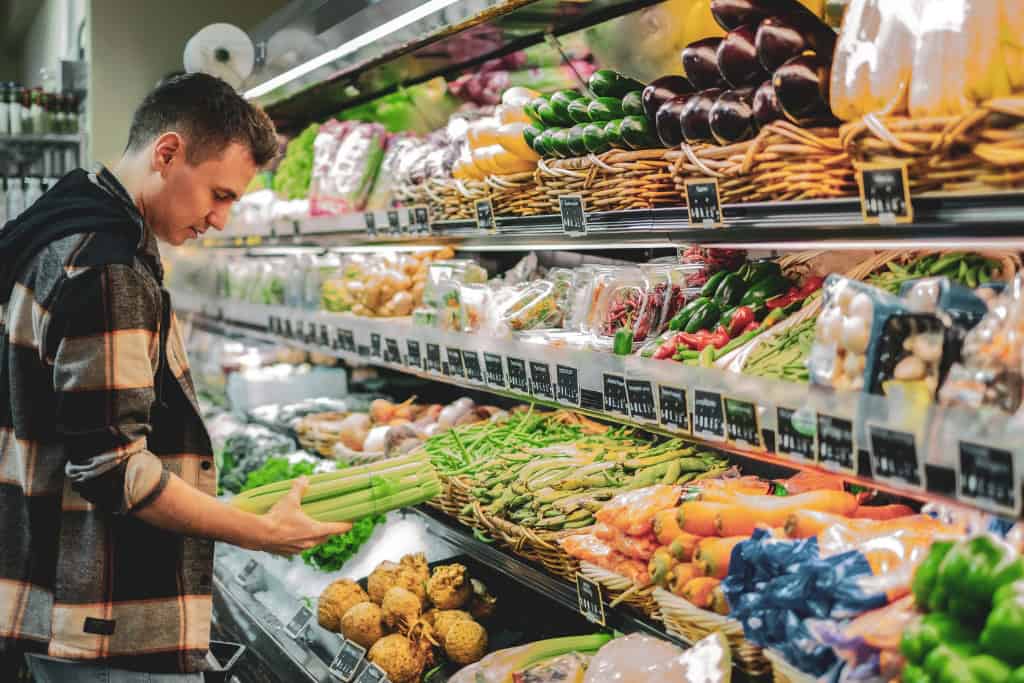
Most people start with wherever they already shop — a supermarket, a pharmacy, or a favourite clothing retailer. The frustration usually comes when they realise that “we have some vegan options” doesn’t mean the same thing from one shop to the next.
Some retailers dedicate significant shelf space to clearly labelled vegan ranges. Others scatter options across departments, mix vegan and vegetarian products together, or use vague language like “plant-based” that doesn’t guarantee a product is fully vegan. Working out which is which takes trial and error unless you have a reliable starting point.
The question people are really asking when they search for vegan friendly shops isn’t just “which shops sell vegan things?” It’s “which shops make it easy to buy vegan, reliably, without having to second-guess everything?”
How to Narrow Your Options
By what you’re shopping for
The type of product you need shapes where to look. Food and drink is covered by more mainstream retailers than ever, but vegan cosmetics, cruelty-free household products, and vegan fashion each have their own landscape. A shop that does well on food may have nothing useful to offer on personal care.
By how you shop
If you prefer to do everything in one order, a multi-retailer platform or a well-stocked specialist site will serve you better than visiting individual stores. If you like browsing in person, independent vegan shops and health food stores are worth knowing about — they often stock products that don’t make it onto supermarket shelves.
By how much label-checking you want to do
Some people are happy to read every ingredient list. Others want a shop that’s done that work for them. Dedicated vegan retailers generally stock only verified vegan products, which reduces the burden significantly. Mainstream shops require more vigilance.
Where People Actually Find Vegan Friendly Shops in the UK
Large supermarkets
Most of the major UK supermarkets have expanded their vegan offerings considerably. Some now label vegan products consistently and group them together; others still require you to read labels carefully across the whole shop. Their buying power means mainstream vegan staples are often cheaper here than elsewhere.
Health food and whole food shops
These tend to have high concentrations of vegan products even when they don’t market themselves as vegan-specific. Staff knowledge is often better than in mainstream supermarkets, and ranges tend to include brands you won’t find on high streets.
Independent vegan shops
Fully vegan independent shops exist across the UK, with strong concentrations in London, Manchester, Brighton, Bristol, and Edinburgh. These are typically the most reliable — everything in store is vegan by definition — but their ranges naturally vary, and not everyone has one nearby.
Online retailers and multi-retailer platforms
Online is where the widest range of vegan products is available. Dedicated vegan sites stock products across all categories, and some aggregate products from many retailers at once. This is particularly useful for finding specialist items that aren’t available in person.
Pharmacies and beauty retailers
A growing number of high street pharmacies and beauty retailers now stock vegan and cruelty-free cosmetics. The challenge is that ranges sit alongside non-vegan products, and the labelling across the shop floor isn’t always consistent.
What to Check Before Buying
Vegan status
“Vegan friendly” as a shop description doesn’t mean every product they sell is vegan. It usually means they stock vegan options. Always check individual product labels — look for “suitable for vegans,” “vegan friendly,” or the Vegan Society logo.
Cruelty-free status
For cosmetics and personal care, vegan and cruelty-free are separate standards. A product can be vegan (no animal ingredients) without being cruelty-free (no animal testing), and vice versa. If both matter to you — and for most people who identify as vegan, they do — you need to check both.
The full product range, not just the branded vegan section
Some shops display a curated “vegan range” prominently but also stock vegan products elsewhere that aren’t labelled the same way. The reverse also applies — products in a “vegan range” should be checked individually, as ranges can occasionally include lines that don’t meet the standard.
Consistency across product variants
Within any given product, one flavour, shade, or size may be vegan while another isn’t. This is especially common in food and cosmetics. Checking the specific product rather than the range as a whole is always worth doing.
Product Labelling: What the Terms Actually Mean
Product labelling across vegan friendly shops in the UK isn’t always consistent. Here is a short guide to the terms you’ll most commonly see.
Vegan A product labelled vegan contains no animal-derived ingredients. The word “vegan” is a trademark owned by The Vegan Society, though many brands use phrases such as “vegan friendly” or “suitable for vegans.” In practice these mean the same thing.
Vegan and vegetarian symbols Packaging sometimes uses symbols such as V, VE, or Vegan. These are not always used consistently — in some cases “Ve” may indicate vegetarian rather than vegan. Vegetarian products may still contain milk, eggs, or honey. It is worth checking that the product clearly states vegan rather than vegetarian.
“May contain” allergy statements Some vegan products may still include warnings such as “may contain milk” or “may contain egg” due to shared manufacturing environments. This does not mean these ingredients are intentionally included.
Cruelty-free Cruelty-free means the finished product and its ingredients were not tested on animals. Some brands display certification logos such as Leaping Bunny or PETA Cruelty-Free. Certification logos cost money, and smaller brands don’t always have the budget to go through the formal process. If a brand clearly states they’re vegan and cruelty-free, that’s good enough — you don’t need a logo to prove it.
China and animal testing Products sold in mainland China have historically been subject to animal testing requirements under certain conditions. Because of this, many organisations consider such products unlikely to meet typical cruelty-free standards.
Marketing claims to watch out for Phrases such as “natural,” “eco-friendly,” “high welfare,” or “RSPCA Assured” do not guarantee that a product is vegan or cruelty-free.
Simple rule: If a product is not clearly labelled vegan and cruelty-free, treat it as uncertain.
Common Mistakes
Assuming a “vegan friendly” shop has verified every product
A shop labelling itself vegan friendly means they welcome vegan shoppers and stock vegan options — not that every product on the shelf has been verified. You still need to check individual items.
Relying on a free from section
Free from sections are primarily aimed at people with allergies or intolerances. Dairy-free doesn’t mean vegan. Gluten-free doesn’t mean vegan. These sections are a starting point, not a shortcut.
Confusing vegetarian with vegan
Many shops that market themselves as vegan friendly also prominently stock vegetarian products, and the two are sometimes grouped together. Vegetarian means no meat; vegan means no animal products at all. Milk, eggs, and honey are vegetarian but not vegan.
Not considering non-food categories
It’s easy to focus on food when looking for vegan friendly shops, but a genuinely vegan lifestyle also covers cosmetics, cleaning products, and clothing. The shops that serve you well for food may not be the ones you need for everything else.
Judging a shop by its marketing rather than its products
“We love animals,” “ethical,” and “sustainable” are things brands say about themselves. None of those phrases is a guarantee of vegan or cruelty-free status. Look at the products, not the branding.
FAQ
What makes a shop genuinely vegan friendly rather than just marketing itself that way?
A genuinely vegan friendly shop makes it easy to identify which products are vegan, stocks a meaningful range rather than token options, and doesn’t require you to read every label with a magnifying glass. The best test is practical: can you do a full shop without having to guess?
Are there shops in the UK that are fully vegan?
Yes. There are fully vegan independent shops in many UK cities, as well as online retailers that stock only vegan products. These are the most reliable options because everything they sell meets the standard by definition. Mainstream retailers, even the most supportive ones, carry a mix of vegan and non-vegan products.
Is it cheaper to shop at vegan friendly shops or mainstream supermarkets?
For everyday staples, mainstream supermarkets tend to be cheaper — their buying power and scale keep prices down. For specialist or artisan vegan products, dedicated vegan shops often have better ranges, though pricing varies. Many people find a combination of both works well.
Do vegan friendly shops always sell cruelty-free products?
Not automatically. A shop can stock vegan products without verifying that they’re also cruelty-free, and the two standards are separate. If cruelty-free matters to you — which for most vegans it does — check cosmetics and personal care products individually.
Can I find vegan clothing in vegan friendly shops?
Some can, but it’s less common than for food. Dedicated vegan fashion retailers exist and typically ship online. Some health and lifestyle shops carry vegan accessories. Most high street shops carry a mix, and you’d need to check materials individually. Looking for retailers that state an explicit vegan materials policy is the most reliable approach.
Some links on this site may be affiliate links. Product information is for guidance only — always check ingredients, allergens, and suitability before purchase.
This content is for general informational purposes only and is not intended as medical advice. Always check product labels and consult a qualified professional if you have a medical condition or concerns.