
Vegan Shopping Guide UK: Where to Buy, What to Check, and How to Avoid Costly Mistakes

Knowing what to buy is the easy part. Knowing where to find it — without spending hours trawling websites, second-guessing labels, or landing on products that turn out not to be vegan — is where most people get stuck.
That’s where Vegan Supermarket UK comes in — an online vegan shopping centre that brings together multiple shops, giving you the best chance of finding products that are both vegan and cruelty-free in one place.
Comparing options across multiple shops takes time, particularly when availability and labelling can vary so much between retailers.
How People Approach Vegan Shopping
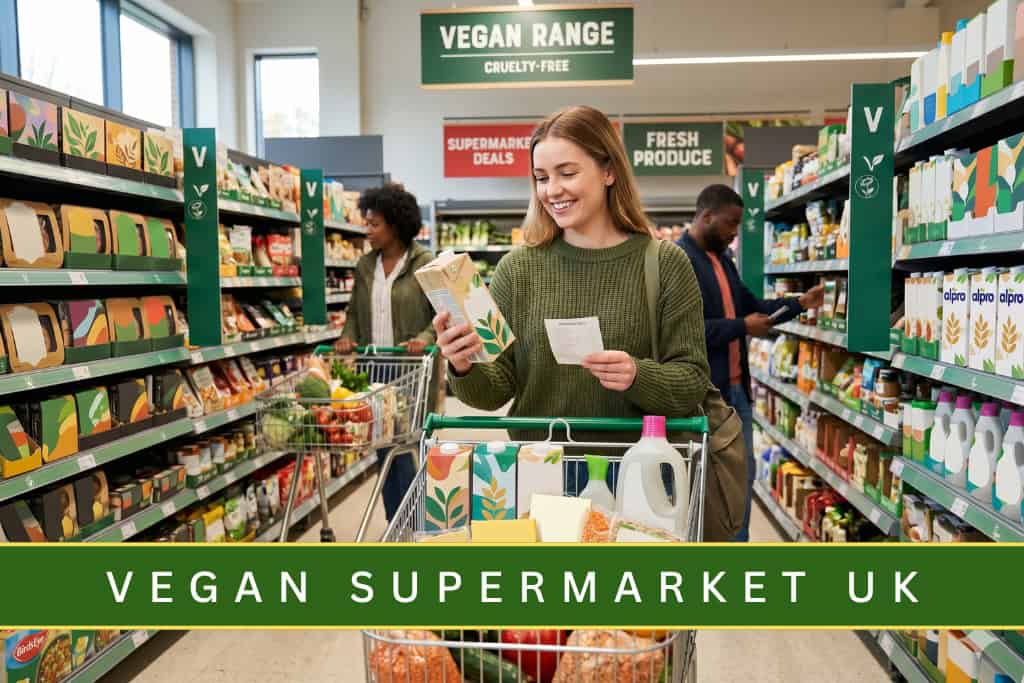
Most people start with what they already know — a supermarket they use regularly, or a brand they’ve seen recommended online. The problem is that not every retailer makes it easy to filter for vegan products specifically, and some that carry vegan ranges don’t label them consistently.
A lot of people also start by looking for food, then gradually expand into cosmetics, cleaning products, and clothing as they get more confident. That’s a completely sensible way to do it. Trying to overhaul everything at once tends to lead to those ‘oh sod it’ moments and abandoned trolleys.
The most practical approach is the good old shopping list — food, personal care, fashion, or the full picture — and then find the right places for each category.
How to Narrow Your Options
By category
Vegan shopping covers a lot of ground. Food and drink is usually the starting point, but vegan living also extends to cosmetics, household cleaning products, clothing, and accessories. The products you need and the retailers that stock them differ quite a bit depending on which area you’re focusing on.
By budget
There’s a wide price range across vegan products. Everyday staples — plant milks, tinned legumes, tofu, oat-based products — are available at mainstream prices in most supermarkets. Specialist items like vegan cheese, meat alternatives from artisan producers, or ethical fashion tend to cost more. Being clear on your budget before you shop helps you avoid being put off by premium products when affordable options exist.
By convenience
Some people want everything in one delivery. Others prefer to shop in person, or to spread purchases across a few trusted brands. Your lifestyle will shape which approach works — there’s no single right answer.
Where People Actually Buy Vegan Products in the UK
Major supermarkets
Most large UK supermarkets now carry a meaningful vegan range. The challenge is that products are often scattered across departments rather than grouped together, and “free from” sections sometimes overlap with vegan ranges without being the same thing. It’s worth learning how each store organises its vegan options rather than assuming.
Online retailers
Online shopping has made vegan buying significantly more practical. Dedicated vegan retailers exist for food, cosmetics, and clothing — and many general retailers have improved their vegan filtering. The downside is that you often have to know what you’re looking for in advance.
Specialist vegan shops and marketplaces
There are independent vegan shops across the UK, particularly in larger cities. These tend to stock products you won’t find elsewhere, and staff knowledge is usually good. Vegan markets and pop-up events are also worth looking out for if you want to discover new brands.
Brand websites
Buying direct from a brand can give you better information about their vegan and cruelty-free credentials, and sometimes better pricing. The downside is delivery costs and minimum order thresholds if you’re only buying one or two items.
What to Check Before Buying
Vegan status
A product labelled vegan contains no animal-derived ingredients. Many brands use phrases like “suitable for vegans” or “vegan friendly” — these mean the same thing in practice. The word “vegan” is a trademark owned by The Vegan Society, but not all legitimate vegan products carry their logo.
Cruelty-free status
Cruelty-free means the product and its ingredients weren’t tested on animals. A product can be vegan without being cruelty-free, and vice versa. Look for Leaping Bunny or PETA Cruelty-Free logos where relevant.
Hidden ingredients
Some ingredients aren’t obviously animal-derived. In food, watch for gelatine, casein, whey, isinglass, carmine (E120), and certain E-numbers. In cosmetics, common ones include lanolin, beeswax, carmine, keratin, and squalene. In clothing, check for leather, wool, silk, down, and angora — including in linings and trims.
Format and size
Particularly with food and cosmetics, products in the same range may vary by variant. A flavour, shade, or size that’s vegan may not apply to the whole range. Check the specific product rather than assuming.
Product Labelling: What the Terms Actually Mean
Product labelling in the UK can be inconsistent, particularly across food, cosmetics, and fashion. Here’s a short guide to the terms you’ll most commonly encounter.
Vegan A product labelled vegan contains no animal-derived ingredients. The word “vegan” is a trademark owned by The Vegan Society, though many brands use phrases such as “vegan friendly” or “suitable for vegans.” In practice these mean the same thing.
Vegan and vegetarian symbols Packaging sometimes uses symbols such as V, VE, or Vegan. These are not always used consistently — in some cases “Ve” may indicate vegetarian rather than vegan. Vegetarian products may still contain milk, eggs, or honey. It is worth checking that the product clearly states vegan rather than vegetarian.
“May contain” allergy statements Some vegan products may still include warnings such as “may contain milk” or “may contain egg” due to shared manufacturing environments. This does not mean these ingredients are intentionally included.
Cruelty-free Cruelty-free means the finished product and its ingredients were not tested on animals. Some brands display certification logos such as Leaping Bunny or PETA Cruelty-Free. Certification logos cost money, and smaller brands don’t always have the budget to go through the formal process. If a brand clearly states they’re vegan and cruelty-free, that’s good enough — you don’t need a logo to prove it.
China and animal testing Products sold in mainland China have historically been subject to animal testing requirements under certain conditions. Because of this, many organisations consider such products unlikely to meet typical cruelty-free standards.
Marketing claims to watch out for Phrases such as “natural,” “eco-friendly,” “high welfare,” or “RSPCA Assured” do not guarantee that a product is vegan or cruelty-free.
Simple rule: If a product is not clearly labelled vegan and cruelty-free, treat it as uncertain.
Common Mistakes
Assuming “free from” means vegan Free from ranges are primarily designed for people with allergies or intolerances. A dairy-free product, for example, may still contain eggs or be produced in an environment that handles animal products.
Treating vegetarian as close enough Vegetarian means no meat — it doesn’t mean no animal products. Milk, eggs, and honey are all vegetarian but not vegan. This distinction matters across food, cosmetics, and even some clothing treatments.
Not checking variant by variant A product being vegan at one size or flavour doesn’t mean the whole range qualifies. This is especially common with cosmetics and food products that come in multiple versions.
Overlooking non-food categories Many people focus exclusively on food when going vegan and don’t realise that cosmetics, cleaning products, and clothing also involve animal-derived ingredients and animal testing. A complete vegan shopping approach covers all of these.
Only looking in one place. Restricting your search to a single supermarket or retailer limits what you’ll find. Different retailers stock different ranges, and some of the best vegan products are only available through specialist channels or online.
FAQ
Is vegan shopping more expensive in the UK?
It depends on what you’re buying. Everyday vegan staples — pulses, grains, plant milks, vegetables — are not expensive. Specialist products like vegan cheese, artisan meat alternatives, or ethical fashion brands do tend to cost more. As the market has grown, prices have come down a touch, and most people find a vegan shop costs a similar amount to before once they’ve adjusted their buying habits.
What’s the difference between vegan and plant-based?
Vegan means no animal products or exploitation across all categories — food, clothing, cosmetics, and so on. Plant-based usually refers to diet only, and sometimes just means “mostly plants” rather than entirely free of animal products. A plant-based product isn’t automatically vegan. If you’re looking for products that fully avoid animal ingredients, always look for the word “vegan” rather than “plant-based.”
Can I do a full vegan shop at a regular UK supermarket?
For food and some household products, yes — most large supermarkets now carry a reasonable vegan range. For cosmetics, specialist personal care products, and vegan fashion, you’ll likely need to go beyond the high street. A platform that brings multiple retailers together can make this easier.
How do I know if a cosmetic product is both vegan and cruelty-free?
Check the label for both claims separately, as they mean different things. Look for certification logos (Leaping Bunny for cruelty-free, Vegan Society trademark for vegan). If neither is present, check the brand’s website for their stated policy. Brands that sell in mainland China present particular complications — many cruelty-free advocates advise caution with these.
Is vegan clothing widely available in the UK?
More so than it used to be, but it’s still patchier than food. Many high street brands use some vegan materials but also carry non-vegan lines. Dedicated vegan fashion brands are more reliable, and a growing number of them ship to the UK. When checking clothing, don’t just look at the main fabric — linings, trims, buttons, and glues can all contain animal-derived materials.
Some links on this site may be affiliate links. Product information is for guidance only — always check ingredients, allergens, and suitability before purchase.
This content is for general informational purposes only and is not intended as medical advice. Always check product labels and consult a qualified professional if you have a medical condition or concerns.